


Surgery
Gallbladder surgery
(laparoscopic cholecystectomy)

Cholecystectomy is a surgical procedure that removes the gallbladder, and its main purpose is to address problems caused by gallstones, polyps or inflammation. Laparoscopic cholecystectomy is planned when the patient does not have acute inflammation of the gallbladder or gallbladder colic. This procedure has the effect of eliminating indigestion and preventing the development of acute inflammation, movement of gallstones into the bile duct, and the development of tumors in a chronically diseased gallbladder.
Cholecystolithiasis is the presence of gallstones in the gallbladder or bile ducts.
Symptomatic cholecystolithiasis, which is manifested by biliary pain in the right subcostal region and is often accompanied by vomiting.
Larger gallbladder polyps are often found by accident on an abdominal ultrasound.
Inflammation of the gallbladder.
Ultrasound is used for diagnosis.
Pain in the right lower back.
Prickling, tension, feeling of fullness in the abdomen.
Vomiting, hiccups, burping.
Yellowing of the whites of the eyes.
Most cases are asymptomatic, which means that the patient is unaware of the presence of gallstones, which cause no discomfort and are often discovered by accident during other abdominal examinations. The dyspeptic form is manifested by digestive problems such as abdominal and epigastric pain, a feeling of fullness, flatulence, lack of appetite, belching, irregular stools or diarrhoea. The typical manifestation of gallstones is a gallbladder or colic attack, characterised by sudden pain in the right lower or upper abdomen, passing to the back and under the shoulder blade, and often accompanied by nausea or vomiting that brings no relief.
There is an increased incidence in women over 40 years of age, after childbirth and in obese people.
Gallstones can be caused by increased saturation of bile with cholesterol, excessive food intake, or the presence of infection and inflammation. Use of steroids, contraceptives and excessive consumption of dietary fats and proteins can also increase the risk of gallstones. However, inadequate fat intake, irregular eating, and fasting can also promote their formation.
Laparoscopic cholecystectomy is performed using endoscopic laparoscopic optics and special instruments. The duration of the procedure varies between 30 minutes and 1.5 hours, depending on complexity. During the operation, the surgeon first frees the gallbladder from adhesions and reveals the bile ducts. He/she then cuts off the blood supply to the gallbladder and its outlet into the bile duct using special titanium clamps, and releases the gallbladder and gallstones from the liver bed and removes them from the abdominal cavity. At the end of the operation, a thin plastic drain is inserted into the abdominal cavity to drain away any remaining body fluids and secretions, including blood.
1. Consultation with a Surgeon
Your first step is a consultation with one of our specialists. The doctor will assess your health condition, explain the procedure in detail, and recommend the most appropriate treatment approach.
2. Pre-Operative Preparation
Before the procedure, you will undergo the necessary examinations and receive clear instructions on how to prepare for surgery.
3. Day of Surgery
You will arrive at the clinic at a pre-arranged time. After the necessary preparation, the surgical procedure itself will take place.
4. Short Post-Operative Monitoring
Following the procedure, you will remain for a short period in the recovery room under the supervision of our medical staff.
5. Return Home
In most cases, patients are able to return home on the same day. Recovery then continues in the comfort of the home environment.

Team of surgeons
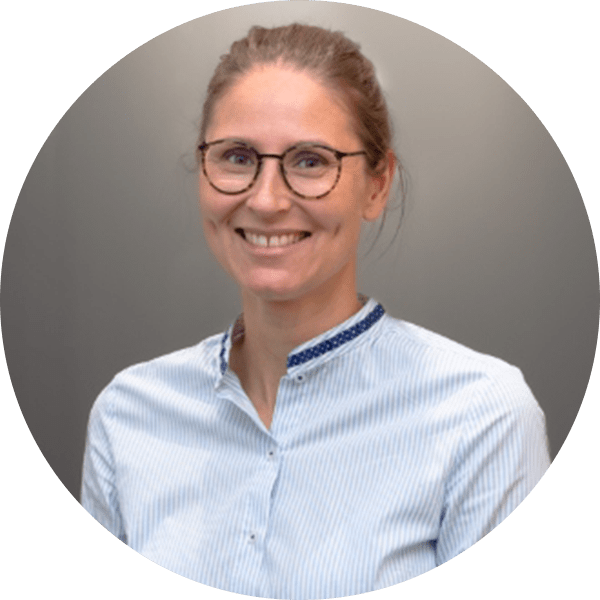
doc. Dr. Barbora East,
PhD, FEBS AWS
Chief of Surgery

MUDr. Natália Newland
Paediatric Surgeon
More information on the surgery
Laparoscopic surgery is performed under general anaesthesia.
After laparoscopy, the patient is placed in the recovery unit for monitoring. They can usually get out of bed by the evening (or about 3 hours after the procedure) and start drinking fluids. Light foods can be eaten after bowel function has recovered, usually on the second postoperative day depending on how the surgery went.
Incapacity for work usually lasts two to four weeks, depending on the difficulty of the patient’s occupation. The patient should take it easy and avoid physically demanding activities and lifting heavy objects for at least three months.
Pain in the surgical wound(s) should gradually subside within 48 hours. Significant and persistent pain is a sign of complications and should be discussed with the attending physician.
Vomiting sometimes occurs after general anaesthesia, but usually ceases within 6-12 hours after the procedure.
On the third day after laparoscopy, the surgical wound can be briefly showered without soap and gently dried. After the surgical wound has healed completely, a normal bath is possible. Stitches are usually removed on the seventh to tenth day.
Once bowel function is restored after the procedure, a strict gallbladder diet is recommended for about three weeks.
Preoperative preparation includes internal preoperative examinations, blood and urine lab tests, and other examinations as necessary. It also includes a summary of previous illnesses, a list of medications being taken, allergies, and an assessment of the risks associated with general anaesthesia.
The patient usually comes in for the planned procedure on the day of the surgery to keep the hospital stay as short as possible. From midnight the night before the operation, the patient must not eat or drink and must avoid smoking and alcohol consumption. If medication is required, the attending physician must be consulted.
Jewellery, contact lenses and dentures must be removed before the procedure. No make-up or nail polish may be worn.
A deposit of CZK 2,000 may be required to secure a confirmed appointment.
Postponement of an appointment for medical reasons within six months: first postponement free of charge; second and subsequent postponements CZK 2,000 each.
Cancellation more than 5 working days in advance: CZK 2,000.
Cancellation 5 working days or less in advance:
Gallbladder procedure: CZK 8,000
Surgery with a Human Approach
Modern day-case surgery makes it possible to perform procedures without unnecessary hospitalisation. Patients attend their procedure at a pre-arranged time that takes their personal schedule into account. One of the advantages of MY CLINIC is the availability of prompt surgical appointments.
In most cases, patients return home the same day, or at the latest the following day. This eliminates the need for a prolonged hospital stay and allows for a quicker and more comfortable return to normal daily life.
At MY CLINIC, surgical procedures are performed by a team of experienced specialists with many years of practice and international certifications. We combine modern surgical techniques with a strong emphasis on patient safety and comfort.
A compassionate, patient-centred approach is equally important to us. We understand that the decision to undergo surgery may be accompanied by concerns—whether for yourself or for your child. That is why we strive to create an environment where you can feel at ease and confidently place your care in the hands of our doctors.
For paediatric patients, a parent is welcome to remain with the child until the induction of anaesthesia in the operating theatre. The presence of a parent helps the child feel more secure and comfortable before the procedure.
In the majority of cases, patients are discharged on the same day as their procedure. Where medically appropriate, a comfortable single room is also available, providing maximum privacy.
For us, a humane and empathetic approach is not an addition to medical care—it is its natural foundation.
Experienced Surgical Team
Procedures are performed by a team of highly experienced surgeons with many years of clinical practice. Our doctors use modern surgical techniques and regularly participate in professional training and international medical congresses.
We place strong emphasis on procedural safety, thorough pre-operative preparation, and an individual approach to every patient.
Day Surgery – A Rapid Return Home
Most surgical procedures are performed using minimally invasive techniques. Patients arrive for their procedure at a pre-arranged time and, after a short period of post-operative observation, are usually able to return home.
Recovery can therefore take place in the comfort of the patient’s home environment, without the risks commonly associated with prolonged hospital stays.
Modern Operating Theatres
All procedures take place in modern operating theatres equipped with advanced technology for minimally invasive surgery.
Our technical facilities allow for gentle surgical techniques, precise diagnostics, and the highest level of safety during operations.
Individualised Patient Care
Before surgery, each patient attends a consultation with their surgeon, during which they receive detailed information about the procedure, the type of anaesthesia, and the expected recovery process.
Patients are encouraged to ask questions and, together with their doctor, choose the most appropriate course of treatment.
Non-Binding Pre-Operative Consultation
If you are considering a surgical solution for your health concern, the first step is a consultation with one of our specialists.
During the appointment, the doctor will assess your health condition, explain the available treatment options, and recommend the most appropriate course of action.
You can book an appointment by telephone or via the contact form.
How our clients rate us

Pavlína Matlášková


I visited the clinic with my daughter and I was extremely satisfied with the approach of the doctors, the beautiful environment and the possibility to park directly in the building, which is not usual in Prague. About a month ago I needed...

Vasek Sluncik
I had an urgent back problem. Mr. Louda in physiotherapy helped me very well. He relaxed my back, went through exercises with me, explained the causes and suggested solutions. Of course, it's not that simple, it's up to me to change my lifestyle, but it sounded so...

Gabriel Koromház
I was very satisfied with my visit to the clinic. Nice airy and clean environment. The receptionists were very helpful and professional. They helped with everything and arranged everything needed quickly. I will definitely be happy to visit again. 😊

Petr Hrebak
Dr. Nejdl is a total professional. I am always pleased with the entire clinic staff and their approach, from the front desk and making an appointment to taking blood and finding a solution. Thank you for taking care of my person.

Iva Pavlíčková
I have already contacted this clinic several times with quite acute issues and they have always been helpful, I received appointments almost immediately, the staff has always been very kind and helpful, the doctors are professionals with a very kind approach...

Hana Innemanová
I use the services of the clinic repeatedly. Always an appointment on time, which is kept, short waiting time, enough time for examination, maximum satisfaction with the doctors, pleasant reception, environment, as a bonus parking in the building.

Minimally invasive, maximum care
One-day surgery is a concept that involves non-emergency surgical procedures. Its advantage is quick recovery and minimal pre- and post-op stress.

Quick return home
Patients can return home the same day or the day after the surgery. Shorter stays and quicker recovery make the entire process less demanding for clients and their families.

Modern procedures and the latest equipment
The use of certified instruments and high-quality modern technologies and procedures is routine for us. Several of our exceptional instruments are available only at several university hospitals.

A pleasant environment
The layout and interior design of our interiors, well-appointed rooms with all comforts and conveniences, a friendly atmosphere, pleasant and experienced staff. All this helps eliminate stress.

Lower risk of infection
Less time spent at the clinic means a lower likelihood of contracting common hospital infections.
A modern and comfortable environment
Our clinic is designed with your comfort and safety in mind. We combine modern technologies with a friendly environment to make every visit as pleasant as possible. Come explore our premises, which are as enticing as they are functional.


Are you interested in an examination for the procedure?
Contact our clinic.
Client line: +420 222 900 900

